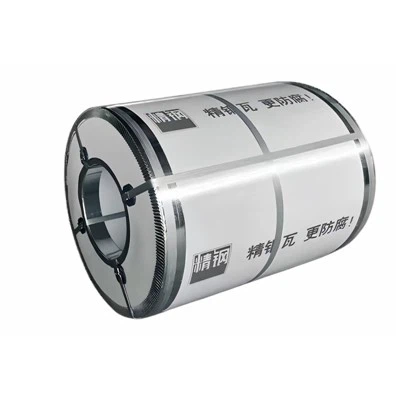
It is a roofing material designed to reduce heat transfer, keeping interiors cooler in summer and warmer in winter. It typically consists of a metal outer layer, an insulating core (such as foam or fiberglass), and an inner lining.

How does it work?
The insulating core traps air or uses materials with low thermal conductivity to slow heat transfer. This reduces the need for air conditioning in summer and heating in winter, leading to significant energy savings.
What materials are used in the core?
Common insulating materials include polyurethane foam (PU), polystyrene (EPS), and rock wool. Each has different thermal performance, fire resistance, and soundproofing properties.
What are the additional benefits?
In addition to temperature regulation, heat-insulation roofing sheets also provide soundproofing, corrosion resistance, and structural strength. They are often used in combination with anti-corrosion coatings for maximum durability.
Where is it most effective?
It is particularly effective in hot climates, industrial buildings with high heat output, and residential areas where energy efficiency is a priority. It is also beneficial in cold climates for retaining indoor heat.
How is it installed?
Installation methods vary depending on the structure and material type. Most systems involve securing the sheets to the roof frame with screws and ensuring proper sealing to prevent moisture infiltration.
Is it worth the investment?
Yes, the energy savings, comfort improvement, and extended roof lifespan make heat-insulation roofing sheets a valuable long-term investment for both residential and commercial properties.