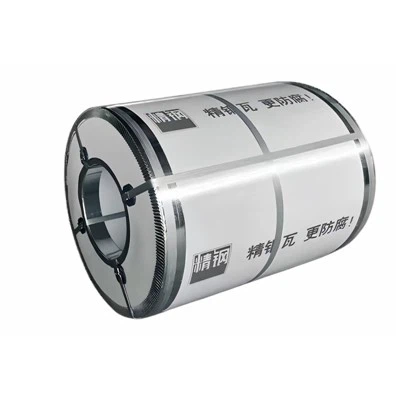
It is a corrugated metal sheet treated with anti-rust and anti-corrosion coatings to ensure durability in harsh weather conditions. The corrugated design adds strength and stability, while the protective layers prevent rust and degradation.

How is it different from flat roofing sheets?
The corrugated profile increases load-bearing capacity and water runoff efficiency. Combined with anti-corrosion treatment, it becomes an ideal choice for roofs that need to withstand heavy rain, snow, and strong winds.
What materials are used?
Most anti-corrosion corrugated sheets are made from galvanized steel or Galvalume steel, with additional protective coatings such as polyester, PVDF, or acrylic.
These materials offer superior resistance to UV rays, chemicals, and saltwater. Where is it commonly used?
They are widely used in warehouses, factories, agricultural buildings, carports, and residential roofs in areas prone to high humidity or corrosive environments.
What are the installation requirements?
Installation is straightforward with standard roofing tools. The sheets are overlapped and secured with corrosion-resistant screws to ensure a tight seal. Proper sealing around fasteners is essential to prevent water leakage.
How does it perform in extreme temperatures?
Anti-corrosion corrugated sheets maintain their structural integrity in temperatures ranging from -30°C to 80°C. The coatings also prevent color fading and material warping caused by thermal expansion.
What maintenance is required?
Regular inspection for loose screws and cleaning of debris are recommended. The anti-corrosion coating eliminates the need for frequent painting, making maintenance simple and cost-effective.