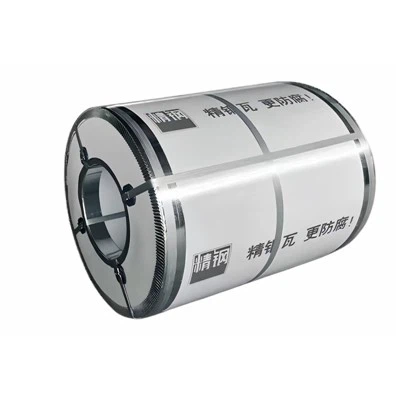
Corrosion-resistant roofing panels, also known as phenolic anti-corrosion panels, are building materials resistant to acid, alkali, salt, and water vapor corrosion. The main materials include vinyl ester resin, fluorocarbon painted metal sheets, PVC, and FRP. These products are widely used in the roofing and wall cladding structures of industrial plants such as chemical plants, metallurgical plants, aluminum and magnesium smelting plants, paper mills, and pickling workshops, and have gradually replaced traditional color steel sheets.
This panel is made of vinyl ester resin, inheriting the characteristics of epoxy resin, exhibiting excellent corrosion resistance and a service life of up to 25 years in corrosive environments. A 2mm thick panel can bear a load of 200 kg/m², combining lightweight and high strength. The fluorocarbon painted metal sheet contains over 70% polyvinylidene fluoride resin coating, providing weather resistance for up to 15 years; PVC is suitable for acid and alkali environments. During installation, it is fixed using aluminum profile fasteners, with an overlap length ranging from 200-400mm, and a longitudinal camber set at 1/200 of the span.
The anti-corrosion roofing panels (tiles) are mainly made of EV, PVC, fluorocarbon painted metal sheets, bakelite, or FRP.