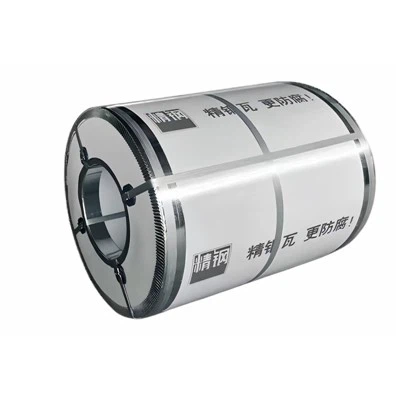
I. Usage Instructions for Corrugated Metal Sheets
Before using corrugated metal sheets (including PPGI/PPGL materials), ensure the installation environment is free of sharp debris and the base structure meets load-bearing requirements. During installation, use specialized anti-corrosion screws for fixation, with spacing controlled at 30-50cm, and avoid rough handling that may damage the coating. For daily use, conduct annual inspections to remove surface dust and corrosive residues; promptly touch up any scratches with matching anti-corrosion paint.

II. Core Applications of Corrugated Metal Sheets in the Chemical Industry
Due to the long-term presence of acidic-alkaline gases and corrosive waste liquids, the chemical industry has extremely high anti-corrosion requirements for building materials. Corrugated metal sheets, with their resistance to salt spray and chemical media, have become the preferred material for roofing and walls of chemical plant buildings. They feature excellent sealing performance, effectively preventing the penetration of corrosive gases, and offer remarkable heat insulation, which can improve the operational environment and extend the maintenance cycle of the facility. They are widely used in chemical sub-sectors such as pesticides, fertilizers, and coatings production.
III. Latest Industry News for Corrugated Metal Sheets
Recently, the upgrading of environmental protection policies has driven a green transformation in the corrugated metal sheet industry, leading to a surge in demand for low-VOC coating products. Many manufacturers have launched customized corrugated metal sheet solutions to meet the specific dimensional requirements of different chemical industry scenarios. In the international market, the export volume of high-weather-resistance PPGL corrugated sheets has increased by 20% year-on-year, becoming a new growth point for the industry.
IV. Future Development Trends of the Corrugated Metal Sheet Industry
In the future, the industry will focus on three major directions: first, material innovation, developing new coating technologies with better corrosion resistance and thermal insulation; second, smart manufacturing, introducing automated production lines to improve product precision and production capacity; third, green and low-carbon development, promoting the use of recyclable substrates and environmentally friendly coatings to reduce the carbon footprint. Meanwhile, modular and lightweight products will become the mainstream choice in the industrial construction sector.
V. Introduction to Types and Categories of Corrugated Metal Sheets
Based on substrate, corrugated metal sheets are primarily divided into two categories: PPGI (Pre-Painted Galvanized Iron) and PPGL (Pre-Painted Galvalume). By profile shape, they include trapezoidal, arc (sinusoidal), and standing seam panels. By coating material, they consist of PE (Polyester), PVDF (Polyvinylidene Fluoride), and ASA (Acrylic Styrene Acrylonitrile) coated sheets. Among these, PVDF-coated products are often specified for highly corrosive environments due to their superior weather resistance.
VI. Core Differences Between Corrugated Metal Sheets and Similar Products
Compared with traditional color-coated steel sheets, corrugated metal sheets (specifically PPGI/PPGL) offer better anti-corrosion performance, with a service life more than three times longer, and significantly improved thermal insulation. Compared with FRP (Fiber Reinforced Plastic) sheets, they have higher tensile strength, greater wind load resistance, and no risk of UV degradation and embrittlement. Compared with wood-based panels, they excel in moisture resistance, fire resistance, and pest resistance, with lower long-term maintenance costs, making them more suitable for durable industrial applications.
VII. Raw Material Market Dynamics for Corrugated Metal Sheets
Recently, the price of steel raw materials has stabilized with a slight downward trend. The procurement cost of hot-dip galvanized and hot-dip galvalume coils has decreased by 5%-8% year-on-year, alleviating cost pressure on the industry. There have been breakthroughs in the R&D of environmentally friendly coating raw materials, and the supply of low-VOC PVDF resin has increased, promoting a higher environmental standard for corrugated metal sheet products. The international supply chain has gradually stabilized, reducing dependence on imported substrates; the domestic production self-sufficiency rate has now reached over 95%.
VIII. Standard Installation Procedure for Corrugated Metal Sheets
Preparation: Verify sheet specifications and quantities against construction plans, and check the substrate for flatness and load-bearing capacity.
Layout & Marking: Establish installation datum lines and mark the positions for screw fixings.
Sheet Placement: Place sheets from the bottom upward (working against the prevailing wind direction), leaving a 5-10mm expansion gap between sheets to accommodate thermal movement.
Fixing & Installation: Use anti-corrosion self-drilling screws to fasten the sheets to the supporting purlins, ensuring consistent screw spacing.
Sealing: Apply specialized sealant at all sheet side-laps and end-laps, as well as around fastener heads, to prevent water ingress.
Inspection & Handover: Conduct a comprehensive inspection of the installation quality to ensure there are no issues with looseness, leakage, or damage before the system is put into service.