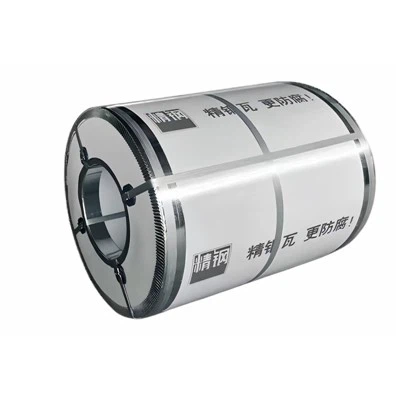
I. Instructions for the Use of Anti-Corrosion Color Coated Steel Sheets
Anti-corrosion color coated steel sheets should be stored in a dry, well-ventilated indoor area, away from acidic or alkaline corrosive substances. They should be stacked on steel supports at a height of ≥15cm from the ground to prevent rust caused by dampness. During transportation, sheets must be tightly wrapped with waterproof film and secured on specialized pallets to prevent coating scratches and panel deformation. Use matching anti-corrosion screws for installation instead of ordinary carbon steel fasteners. The bending radius during cold forming should not be less than 12 times the sheet thickness to avoid coating cracks. For daily maintenance, regularly clean surface dust and corrosive residues, and promptly repair damaged coatings with specialized touch-up paint.

II. Application of Anti-Corrosion Color Coated Steel Sheets in the Chemical Industry
Anti-corrosion color coated steel sheets are a core building material for chemical plant construction. With the dual protection of a galvanized base sheet and anti-corrosion coatings, they resist long-term erosion from acid-alkali fumes and chemical media, solving the chronic issue of corrosion and leakage in traditional sheets. In environments such as chemical processing plants, pickling workshops, and fertilizer production plants, their excellent salt spray resistance and anti-aging properties ensure the long-term, stable performance of workshop roofs and walls, extending service life by more than three times compared to ordinary color coated sheets. Furthermore, these products provide effective thermal insulation, reducing cooling energy consumption in workshops and meeting the environmental and energy-saving requirements of chemical industrial parks. Consequently, they have become the material of choice for the renovation and new construction of workshops in many chemical enterprises.
III. Industry News for Anti-Corrosion Color Coated Steel Sheets
Recent industry developments show several highlights: the revised and implemented National Standard for Anti-Corrosion Design of Industrial Buildings has further clarified the application specifications for anti-corrosion color coated sheets in highly corrosive environments; breakthroughs in film coating technology have led to new PVDF composite coating products achieving over 1,800 hours in salt spray resistance tests; procurement demand for high-end anti-corrosion sheets in the chemical and metallurgical industries has increased by 30% year-on-year, driving the industry toward higher specifications and performance. Additionally, centralized procurement models within the industry are gaining popularity, effectively reducing costs for downstream enterprises.
IV. Future Development Trends of the Anti-Corrosion Color Coated Steel Sheet Industry
The industry is developing toward "green environmental protection, functional integration, and intelligent upgrading": the use of environmentally friendly coating materials will increase, with low-VOC and recyclable coating products becoming mainstream; demand for multi-functional integrated products will grow, expanding the market share for composite sheets that combine anti-corrosion, thermal insulation, soundproofing, and photovoltaic compatibility; intelligent production will become more widespread, ensuring product quality through automated inspection and traceability systems; customization services will deepen, providing personalized sheet specifications and installation solutions for different corrosive environments to meet the needs of emerging industries such as new energy and advanced manufacturing.
V. Types and Categories of Anti-Corrosion Color Coated Steel Sheet Products
Anti-corrosion color coated steel sheets are primarily categorized by coating material and production process:
· By Coating Type: PE (modified polyester), PVDF (polyvinylidene fluoride), and ASA. PVDF coating offers the best weather resistance and is suitable for highly corrosive environments.
· By Production Process: Hot-dip galvanized base sheets and electro-galvanized base sheets. The hot-dip galvanized type offers stronger corrosion resistance and is the mainstream choice for industrial applications.
· By Function: Standard anti-corrosion, insulated anti-corrosion, and fire-resistant anti-corrosion types, catering to the needs of different industries.
VI. Differences Between Anti-Corrosion Color Coated Steel Sheets and Similar Products
Compared to ordinary color coated sheets, anti-corrosion sheets provide dual protection through special anti-corrosion coatings and thicker galvanized layers, improving corrosion resistance by more than five times and extending service life to 25years. In contrast, ordinary sheets may rust within 1-2 years in corrosive environments. Compared to stainless steel sheets, anti-corrosion color coated sheets reduce costs by over 40% and allow for more convenient construction. They can be cold-formed into various profiles, offer a choice of surface colors, and have lower maintenance costs, effectively combining practicality with aesthetics.
VII. Raw Material Market Dynamics for Anti-Corrosion Color Coated Steel Sheets
The core raw material market shows a trend of steady progression: prices for high-quality cold-rolled base sheets fluctuate within a range of ≤5%, influenced by capacity adjustments in the steel industry; the price of zinc ingots (for galvanizing) has stabilized, with companies securing costs through long-term agreements; in anti-corrosion coating materials, environmentally friendly chromium-free passivators are now mass-produced, and the import substitution process for PVDF resin is accelerating. These developments not only reduce raw material costs but also enhance product environmental performance, promoting the industry's green transformation.
VIII. Standard Installation Steps for Anti-Corrosion Color Coated Steel Sheets
1. Preparation: Confirm sheet specifications and coating types, and review product inspection reports and quality certificates.
2. Site Preparation: Clear debris from the construction surface and ensure that the supporting steel purlins are level and secure.
3. Material Inspection: Unpack and inspect sheets to confirm there are no coating scratches or base sheet rust.
4. Precision Installation: Fix sheets using specialized anti-corrosion screws, control side-lap lengths to ≥10cm, and ensure tight sealing.
5. Joint Treatment: Reinforce ridges, eaves, and other critical areas with specialized sealant and trim.
6. Acceptance Testing: Conduct a water spray test to check for leaks.
7. Handover and Maintenance: Submit the installation acceptance report and inform the client of daily maintenance precautions