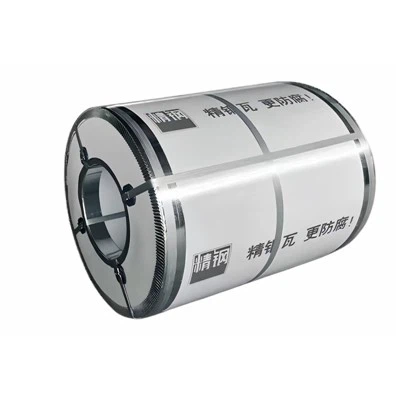
Galvanized iron (GI) steel coil is a widely used material in various industries due to its corrosion resistance and durability. As a supplier of GI steel coil, I have encountered a range of potential problems that customers may face during its use. Understanding these issues is crucial for both suppliers and end - users to ensure the proper application and longevity of the product.
1. Corrosion - Related Problems
One of the primary concerns with GI steel coil is corrosion. Although the galvanized coating provides a protective layer, it is not immune to corrosion under certain conditions.
1.1. Coating Damage
During transportation and handling, the galvanized coating on the steel coil can be damaged. Scratches, dents, or abrasions expose the underlying steel to the environment. Once the steel is exposed, it becomes vulnerable to rusting. For example, if the GI steel coil is roughly loaded and unloaded, sharp edges of other materials can cause scratches on the surface. In outdoor storage, these damaged areas are more likely to corrode when exposed to moisture and oxygen.
1.2. Environmental Factors
The environment in which the GI steel coil is used plays a significant role in corrosion. In coastal areas, the high salt content in the air can accelerate the corrosion process. Saltwater spray can penetrate the galvanized coating and react with the steel, leading to the formation of rust. Similarly, in industrial areas with high levels of pollution, acidic gases such as sulfur dioxide can also corrode the galvanized coating. For instance, in a chemical manufacturing plant, the fumes released can be highly corrosive to the GI steel coil.
1.3. Galvanic Corrosion
When GI steel coil is in contact with other metals, galvanic corrosion can occur. If the GI steel is connected to a more noble metal (such as copper), an electrochemical reaction takes place. The less noble metal (GI steel) acts as the anode and corrodes faster. This can happen in construction projects where different metals are used in combination, like when GI steel is used in a structure with copper pipes or fittings.
2. Surface Defects
Surface defects on GI steel coil can affect its appearance and performance.
2.1. Uneven Coating
An uneven galvanized coating can lead to inconsistent corrosion resistance across the surface of the coil. This may be due to problems in the galvanizing process, such as improper temperature control or uneven immersion in the zinc bath. Areas with a thinner coating are more likely to corrode earlier than those with a thicker coating. For example, in a large - scale production, if the galvanizing line has a malfunction, some parts of the coil may receive less zinc, resulting in an uneven coating.
2.2. Pitting
Pitting is a form of localized corrosion that appears as small holes or pits on the surface of the GI steel coil. It can be caused by the presence of impurities in the steel or the galvanizing process. Pitting can significantly reduce the structural integrity of the steel, especially in applications where the steel is under stress. For instance, in a roofing application, pitting can weaken the steel sheet and lead to premature failure.
2.3. Blistering
Blistering occurs when there is a separation between the galvanized coating and the steel substrate. This can be due to the presence of moisture or gases trapped between the layers during the manufacturing process. Blistering not only affects the appearance of the steel but also reduces its corrosion resistance. Once the blisters break, the underlying steel is exposed to the environment, increasing the risk of corrosion.
3. Mechanical and Structural Issues
The mechanical and structural properties of GI steel coil can also pose problems during use.
3.1. Brittleness
GI steel coil can become brittle, especially if it has been exposed to low temperatures or has undergone improper heat treatment. Brittle steel is more likely to crack or break under stress. In cold climates, for example, the brittleness of the GI steel can lead to fractures in structures such as fences or roofing panels. This can compromise the safety and durability of the entire structure.
3.2. Deformation
During installation, if the GI steel coil is not handled properly, it can deform. For example, if excessive force is applied during bending or shaping, the steel may develop wrinkles or kinks. Deformed steel may not fit properly in the intended application, leading to installation difficulties and reduced performance. In the case of Corrugated Metal Sheets (PPGI/PPGL), deformation can affect the water - shedding ability of the sheets.
3.3. Weldability Issues
Welding GI steel coil can be challenging due to the presence of the galvanized coating. The zinc coating can vaporize during the welding process, leading to porosity in the weld. This can weaken the joint and reduce the overall strength of the structure. Additionally, the fumes generated during welding can be harmful to the welder's health. Special welding techniques and procedures are required to ensure proper weld quality.
4. Compatibility with Other Materials
In many applications, GI steel coil needs to be used in combination with other materials. Compatibility issues can arise, which may affect the performance of the entire system.
4.1. Adhesion Problems
When GI steel is used in applications where it needs to be bonded to other materials, such as in composite structures or when applying paint, adhesion problems can occur. The galvanized surface may not provide a good bonding surface for some adhesives or paints. This can lead to delamination or peeling, reducing the effectiveness of the coating or the bond between the materials.
4.2. Chemical Reactions
If the GI steel coil comes into contact with certain chemicals, it can react and cause corrosion or other problems. For example, in a chemical storage facility, if the GI steel is exposed to strong acids or alkalis, it can corrode rapidly. Care must be taken to ensure that the GI steel is compatible with the chemicals it may encounter in its application.
5. Impact on End - Use Applications
The potential problems with GI steel coil can have a significant impact on its end - use applications.


5.1. Construction
In construction, the problems mentioned above can lead to structural failures, leaks in roofing systems, and reduced aesthetic appeal. For example, corrosion of Galvanized Steel Flat Sheet used in building facades can make the building look unattractive and may require costly repairs. In the case of Industrial Metal Roofing Panels, surface defects or corrosion can lead to water penetration, causing damage to the interior of the building.
5.2. Manufacturing
In manufacturing processes, the quality of the GI steel coil can affect the performance of the final product. For example, if the steel is brittle, it may break during the manufacturing process, leading to production delays and increased costs. Surface defects can also affect the finish of the product, making it less marketable.
Conclusion
As a supplier of GI steel coil, I understand the importance of addressing these potential problems. By being aware of the issues related to corrosion, surface defects, mechanical and structural properties, and compatibility with other materials, we can work with our customers to ensure the proper use of the product. We provide detailed guidance on handling, storage, and installation to minimize the risks associated with these problems.
If you are considering purchasing GI steel coil for your project, I encourage you to contact us for more information. Our team of experts can help you select the right product for your specific needs and provide support throughout the entire process. Whether you are in the construction, manufacturing, or any other industry, we are committed to providing high - quality GI steel coil and excellent customer service.
References
- "Galvanized Steel: Properties, Applications, and Corrosion Resistance" - A technical report on the characteristics of galvanized steel.
- "Corrosion Prevention in Galvanized Steel Structures" - A research paper on methods to prevent corrosion in galvanized steel.
- "Mechanical Properties of Galvanized Steel Coils" - A study on the mechanical behavior of galvanized steel coils under different conditions.