


Hey there! As a supplier of Galvalume Corrugated Sheets, I often get asked whether these sheets attract dust easily. It's a valid concern, especially for those who are looking to use these sheets for various applications, like roofing or cladding. So, let's dive right into it and explore this topic in detail.
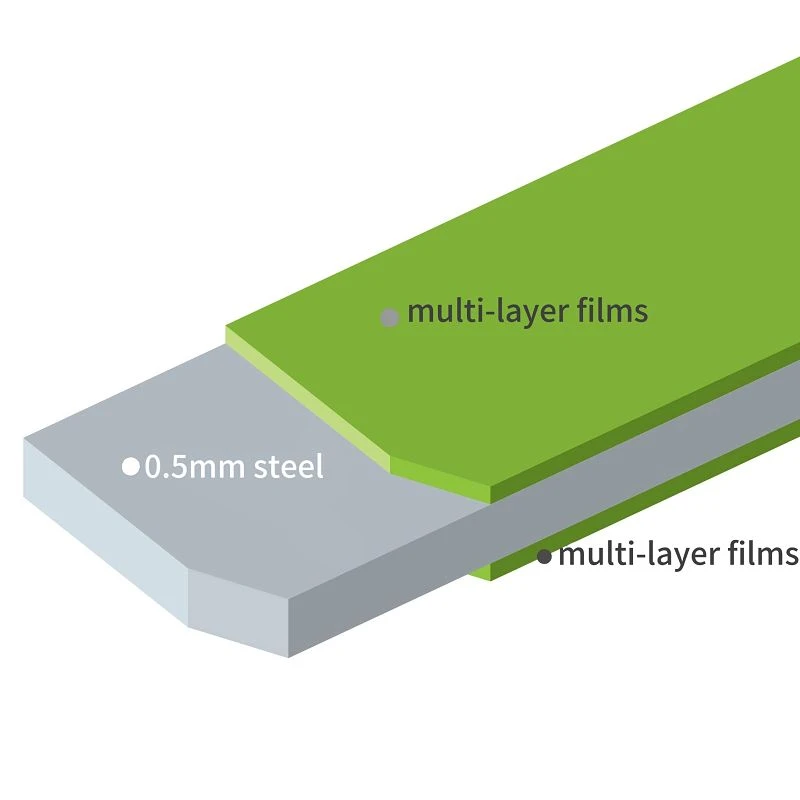
First off, let's understand what Galvalume Corrugated Sheets are. Galvalume is a steel sheet coated with an aluminum - zinc alloy. This coating gives the sheets excellent corrosion resistance, durability, and a long lifespan. The corrugated design adds strength and rigidity to the sheets, making them suitable for a wide range of uses.
Now, the question of dust attraction. The surface of Galvalume Corrugated Sheets is relatively smooth. Unlike some rough - textured materials that can trap dust particles easily, the smooth surface of Galvalume sheets doesn't provide many places for dust to cling to. When dust lands on the sheet, it's more likely to stay on the surface rather than getting deeply embedded.
However, it's not completely immune to dust. In environments with high levels of airborne dust, like construction sites or areas near factories, dust will accumulate on the sheets over time. But here's the good news: because of the smooth surface, the dust can be easily removed. A simple rinse with water can often do the trick. In some cases, you might need to use a mild detergent if the dust has been there for a long time and has started to bond with the surface.
Let's compare Galvalume Corrugated Sheets with other similar products. For instance, Gi Corrugated Roofing Sheet. GI (Galvanized Iron) sheets are coated with zinc. The zinc coating can sometimes develop a rough patina over time, which may attract and hold dust more easily compared to Galvalume. The corrugated shape of both types can collect dust in the valleys, but the Galvalume's smoother surface makes it a bit easier to clean.
Another comparison is with PPGI Corrugated Sheet. PPGI (Pre - Painted Galvanized Iron) sheets have a painted surface. While the paint can add an extra layer of protection, it can also be more prone to attracting static electricity. Static electricity can pull dust towards the sheet and make it stick. Galvalume, on the other hand, doesn't have this static - related dust attraction issue as much.
When it comes to Factory Roofing Sheets, Galvalume Corrugated Sheets can be a great choice. Factories often have a lot of machinery and industrial processes that generate dust. The ability of Galvalume sheets to resist dust build - up and be easily cleaned is a big advantage. It means less maintenance and a cleaner appearance for the factory roof.
The angle of installation also plays a role in dust accumulation. If the Galvalume Corrugated Sheets are installed at a steeper angle, dust is less likely to settle on them. Gravity will help the dust to slide off the sheets more easily. On the other hand, a flatter installation angle may allow dust to gather more readily.

The frequency of dust accumulation also depends on the climate. In dry and windy areas, there will be more airborne dust, and the sheets will get dirty faster. In humid climates, the dust may clump together and be washed off more easily by rain.
It's important to note that proper installation and maintenance are key. If the sheets are installed with gaps or improper sealing, dust can get behind the sheets and cause problems. Regular inspections and cleaning can ensure that the sheets stay in good condition and don't attract excessive dust.
In conclusion, Galvalume Corrugated Sheets don't attract dust as easily as some other materials. Their smooth surface, combined with the ability to be easily cleaned, makes them a practical choice for many applications. Whether it's for residential roofing, commercial buildings, or factory roofing, they offer a good balance between dust resistance and durability.
If you're considering using Galvalume Corrugated Sheets for your project, don't hesitate to reach out. We can provide you with more information, samples, and a quote. We're here to help you make the best decision for your needs.
References
- "Roofing Materials Handbook" - A comprehensive guide on different roofing materials and their properties.
- Industry reports on the performance of Galvalume and related products in various environments.


